


Dark UX is not a new phenomenon, but the scale at which it now operates is. As products have grown in reach and complexity, the gap between what design can do and what it should do has widened considerably.
The same understanding that allows a designer to reduce friction and guide a user toward a task can be turned, just as readily, toward manipulation: the toolkit is identical, and the intent is what differs.
These six principles are not a legal framework or a brand checklist; they are an attempt to articulate what it means to design from a position of genuine respect for the people on the other side of the screen, and why doing so tends to produce better outcomes for everyone involved, including the people paying for the design.
1. Empathy

Empathy is the entry point into user-centred design, but it carries a built-in tension worth naming: The understanding of a user, deeply - to know their frustrations, their motivations, and the precise moments where they are most susceptible to persuasion. Knowing this provides real power over their experience; that power can be directed toward helping them accomplish their goals, or it can be directed, quietly and without their awareness, toward accomplishing yours.
The ethical application of empathy is one where understanding the user's inner world is put in service of that user; not performing care whilst engineering conversions, but building experiences genuinely oriented around what the user needs.
Users who feel understood return, users who feel manipulated leave, and often make their feelings known.
2. Transparency
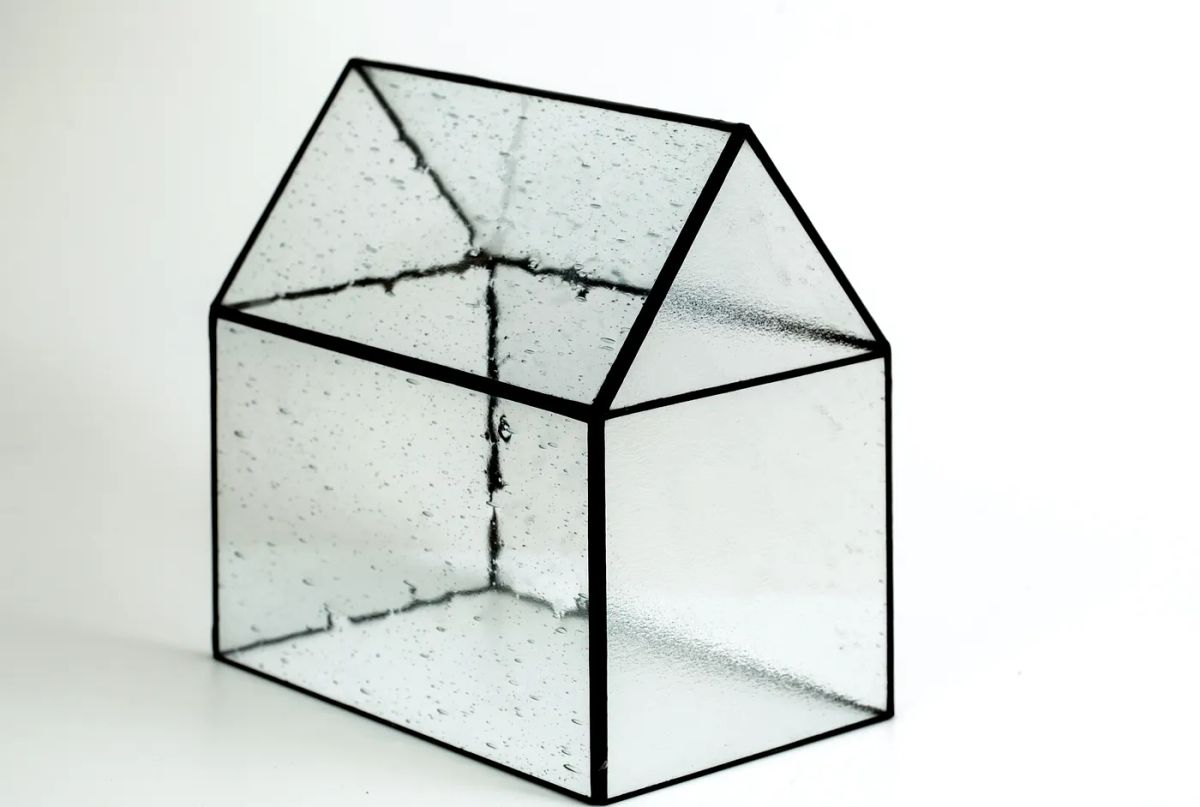
The concealment of information is one of the oldest tools in the dark UX playbook: hidden charges that appear at the last step of checkout, default opt-ins buried in settings menus, privacy policies written to obscure rather than inform - all of these are failures of transparency dressed up as design decisions.
Transparency does not mean surrendering commercial advantage; it means telling users what is happening and what will happen, in plain language, at the moment they need to know it.
When a product is honest about its terms, its pricing, and its data practices, the trust that results is not merely a philosophical good, it's a structural one.
Products built on concealment tend to work until they don't, and when the deception becomes visible, inevitably damage compounds.
3. Value

Ethical design begins with a simple question that is more difficult to answer than it appears: What is this for the user? Not what does it do, not what return does it generate - but what does it actually give to the person using it? Genuine value is the answer to that question, and it is the foundation on which everything else in this list rests.
A product can offer several kinds of value: monetary, saving the user time or money; personal, addressing a genuine need or desire; cultural, contributing to something the user identifies with or believes in. The products that last tend to combine more than one; but if there is a single form most worth designing toward, it is personal value - the kind that earns its place in someone's life by being genuinely useful rather than merely present.
4. Influence
Every design decision carries influence: colour, placement, copy, timing, default state - each shapes behaviour, often in ways the user is not consciously aware of. This is not inherently problematic; guiding a user toward the action most likely to serve their goals is, in large part, what good UX does.
The line between guidance and manipulation is crossed when the influence works against the user's interests rather than with them. Nudging someone toward a subscription renewal they would cancel if they were paying attention is not good design with a dark edge; it is simply dark design.
Users are not infinitely credulous, and patterns that exploit attention rather than earn it tend to generate the kind of dissonance that produces complaints, refund requests, and, at scale, genuine reputational damage.
5. Privacy

Data has become a kind of currency in digital products, and with that shift has come a set of design practices that treat users' personal information as a resource to be extracted rather than a boundary to be respected; the results of those practices are well documented, and the consequences for the organisations involved have been considerable.
Privacy, in design terms, means collecting what is necessary, being explicit about what is collected and why, and building systems that default toward protection rather than exposure.
It is also, increasingly, what users expect; the appetite for products that respect personal boundaries has grown significantly alongside awareness of those that do not.
Designing with privacy as a value rather than a compliance burden is both the ethical choice and, as the landscape continues to shift, the strategically sensible one.
6. Respect

Every principle in this list is, at some level, an expression of respect: empathy is respect for the user's inner experience, transparency is respect for their right to make informed decisions, value is respect for their time and attention, influence used ethically is respect for their autonomy, privacy is respect for the limits of what a stranger is owed access to.
Respect, as a design principle, asks one question of every decision made in the process: does this treat the person on the other side of this screen as a capable adult with their own interests and agency?
When the answer is yes, the design tends to produce the kind of relationship between user and product that no dark pattern can replicate - genuine affinity, built over time, on the basis of consistent honesty.
In summary
The principles above are not difficult to hold simultaneously; what makes ethical design challenging is not philosophical complexity but commercial pressure. The short-term metrics that reward dark patterns tend to look better in the near term than the slower returns of trust and loyalty.
The products and organisations that have sustained themselves over time are, in the main, those that found a way to generate value that aligned with rather than exploited the users they served.
Ethics in design is not a constraint on good work; it is one of the conditions that makes it possible.


